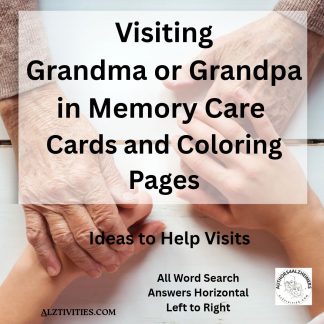
Visit Grandma or Grandpa in Memory Care Coloring and Cards
$0.00
Wondering how to take children to visit grandparents in Memory Care? It can be very uncomfortable for children when their grandparents don’t recognize them. Or even for the grandparents not to recognize their parents (their own children). Here are some conversation ideas. The child has to be prepared to answer questions asked by their parent as if they were being interviewed. The grandparent may not be able to converse well, but can always hear what is going on. It is not a good idea to converse as if the person is not present, as hearing is one of the last things to go, so to speak. So prepare the child in advance.
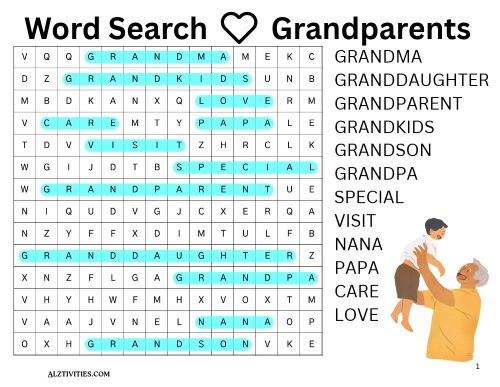
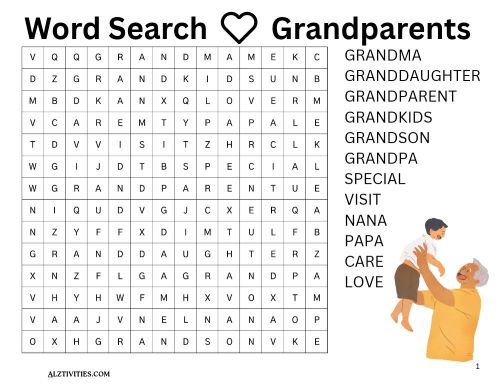
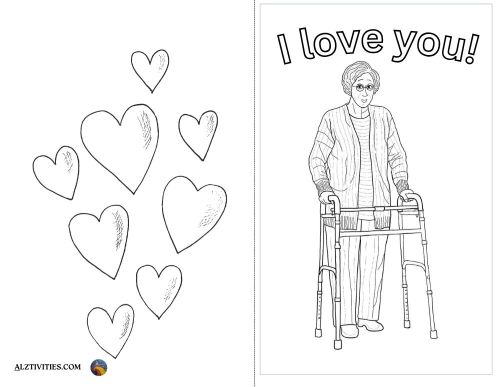
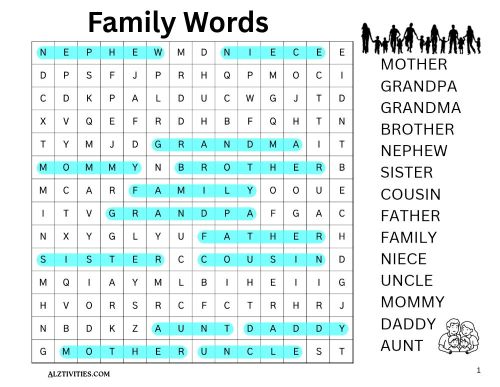
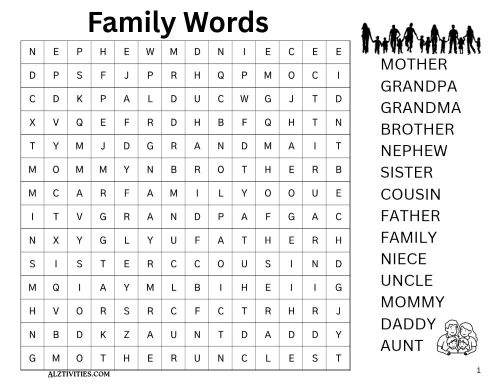
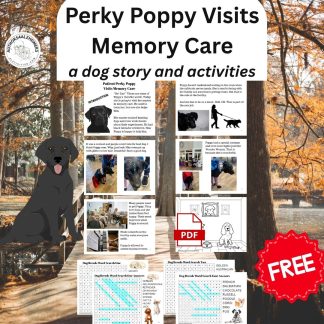
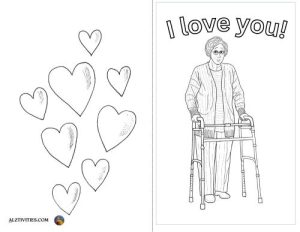
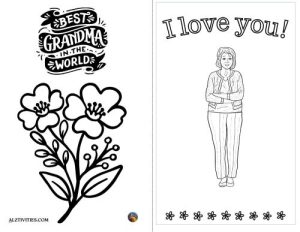
Included are coloring pages, cards to color for grandparents, easy word searches, and cards to color for caregivers. Keep the child or children busy for an easier visit. All visits to memory care are uncomfortable for everyone, but some strategies will help ease the situation.
Description
These pages are intended for children to complete before, during, or after visiting grandparents in memory care. Such a visit can be an upsetting experience for children and their parents. The Grandparents may not remember the child’s name and may even forget the parents’ names (their own children). So, if given coloring pages and crayons or colored pencils, the children could stay busy during a visit and not feel they are being put on the spot. Conversation isn’t as important as being with family. Or, selected pages might be done before or after a visit so the child has something to offer the grandparent. It is a difficult situation for families.
Is Dementia Contagious? A Child Asked
Visits in memory care with children can be scary. My granddaughter saw a resident man standing and staring at a wall. He didn’t move. She asked me what was wrong with him and whether it was contagious. She didn’t want to catch dementia! She certainly needs something to distract her if it isn’t a planned activity such as a holiday meal or music to hold her attention.
Questions the child could be asked to help fill in possible conversation are included. The answers are not for Grandparents to remember; just keep talking. Explain that the grandparent enjoys hearing the child’s voice. Tell the child to answer without comments from the grandparent. It is like interviewing the child in front of the grandparent. If the child or grandparent becomes upset, stop. Have the child color or take a short walk around the room, then return. Give the child a very short break. Stop entirely if it is too difficult for the child. Of course, the parent knows these answers, so stress that the grandparent just wants to see and hear the child.
Please explain that the word finds are ‘easy” (horizontal, left-to-right reading only), as people with dementia sometimes have trouble seeing. The child could work on them alone, showing his or her page to the grandparent. Maybe the grandparent would join in and find a word or two, also. Or the child could color the pictures or cards, perhaps writing or drawing something inside.
Possible questions to ask the child for the grandparent to hear the answers:
- Do you go to school? Which school do you attend?
- Could you tell us your teacher’s name??
- What is your favorite subject?
- After school, what do you like to do?
- On weekends, what do you like to do?
- Who are some of your friends?
- How old will you be on your next birthday?
- What is your favorite color? food? book? game? sport?
- Do you play a sport? What do you like about the sport?
- Is it nice outside? What is the weather like today?
- What season do you like best? Why?
- What interesting facts do you know?
- When outside, what do you like to play?
- Do you ride a bike? Do you like going on walks?
Directions for the word searches, coloring pages, and cards:
Select the pages you think the child might like to work on, color, or write on. Only print what might be relevant to the child and the situation. Print the answer key if it might help the child finish the word search. Some pages are intended to be folded in half to make cards. They may be written or drawn on the inside. Some pages may be colored and given to other residents as well.
Much of the art was created by Ingrid Tourangeau, the Artist and Author. She creates coloring books and children’s books on Amazon. Her links are provided in the downloadable PDF.
Thank you for reading! Carolyn


Fin