Posted on

Blog Posts at Alztivities with Free Instant PDF Downloads for Memory Care

blog-posts-at-Alztivities-authors4alzheimers (Instagram Post)

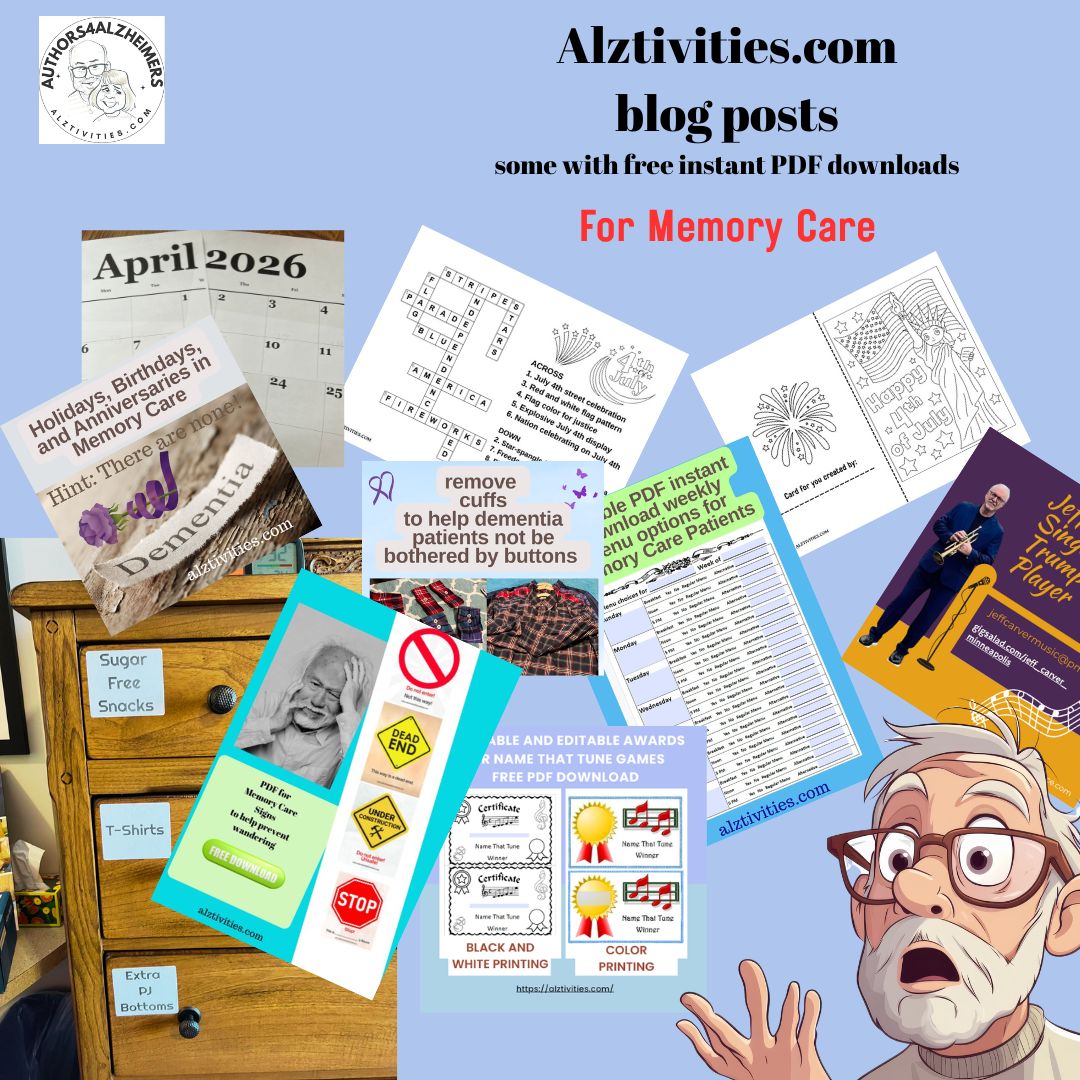
This roundup post is to help direct caregivers and activity leaders to the free instant PDF downloads for Memory Care individuals who may need the PDFs. Links provided.

First, an award to print and write on for caregivers who have gone the extra mile! Click on the download button for your instant copy. Fill out for caregivers to show appreciation.

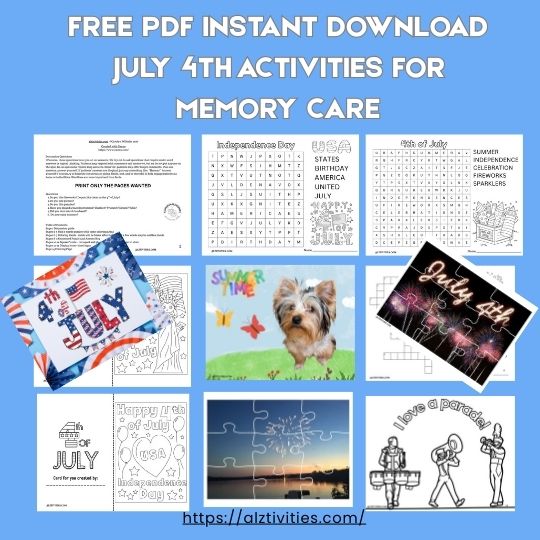
July Activities for Memory Care

Free PDF instant download for the 4th of July activities for memory care is available at that link.

find-5-words-search-crossword-puzzles-discussion-questions-more

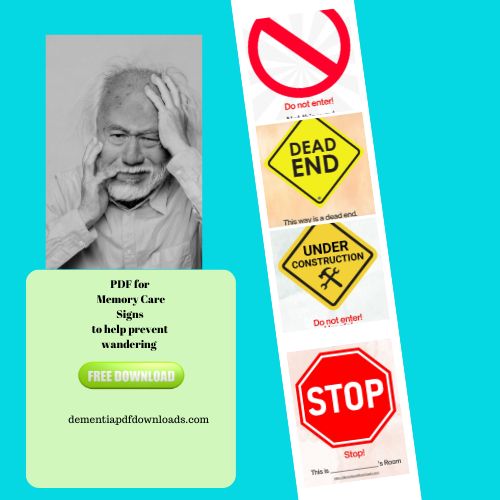
Stop and Dead End Signs for Doors

This PDF has printable signs to help reduce patient wandering around memory care. MY LO likes to go in different rooms as he thinks he is working and those are offices for meetings he needs to attend. He is a retired electrical engineer. I tell caregivers to inform him that the meeting has just been canceled, as “Jim” is in Omaha due to engine trouble with his plane. Or to say he is supposed to go to his own office and wait, as he will get a call when the meeting is rescheduled. Something along those lines!

PDF-download-stop-wandering-signs-for-memory-care-free (2)

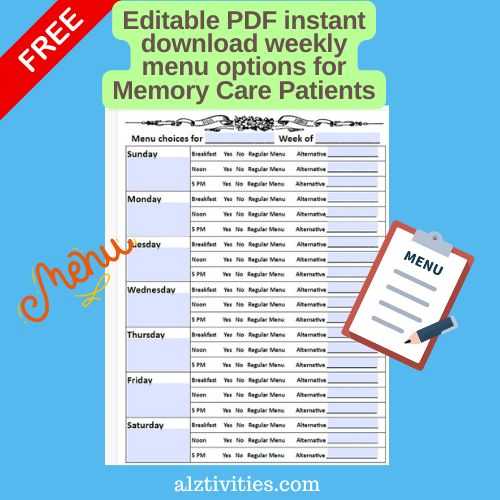
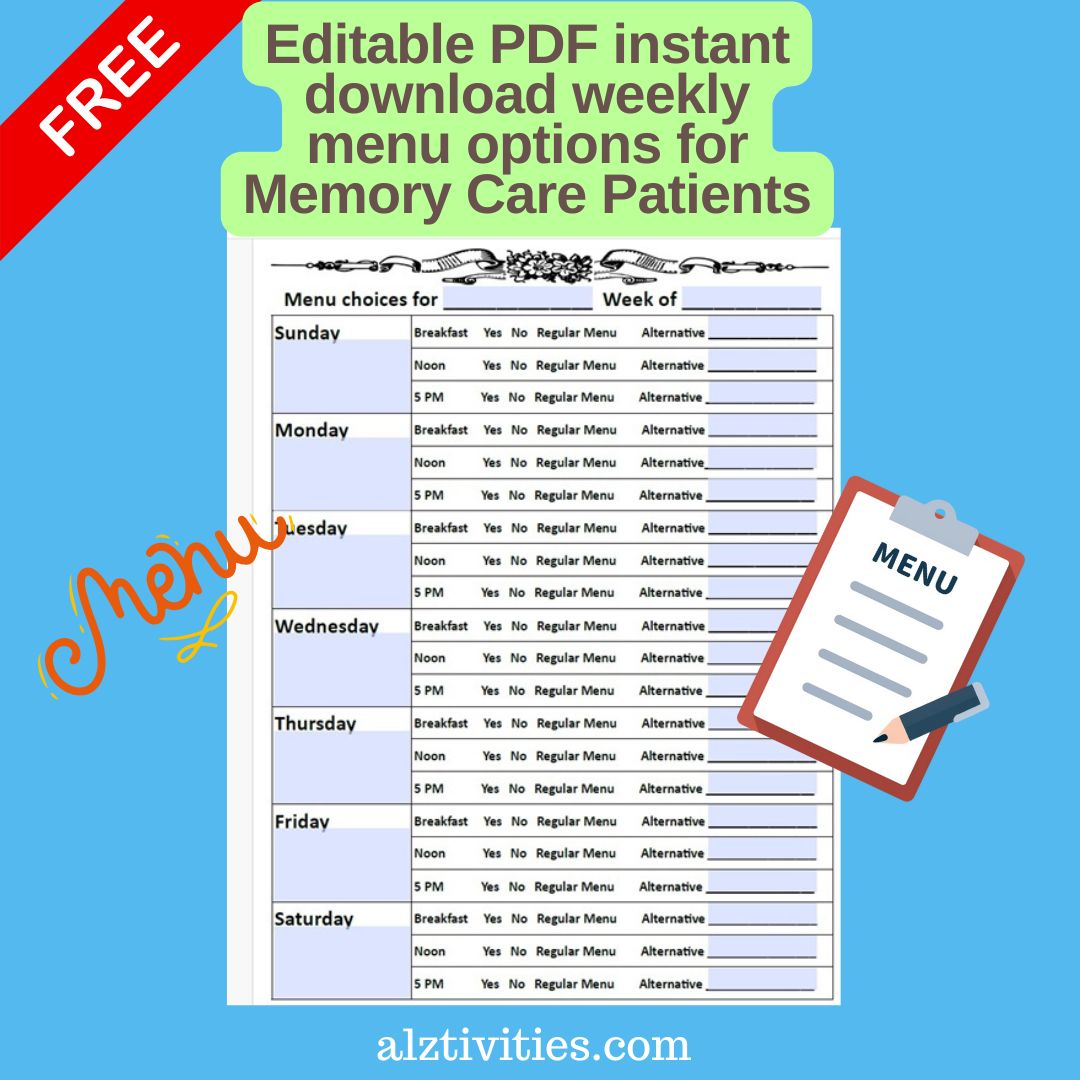
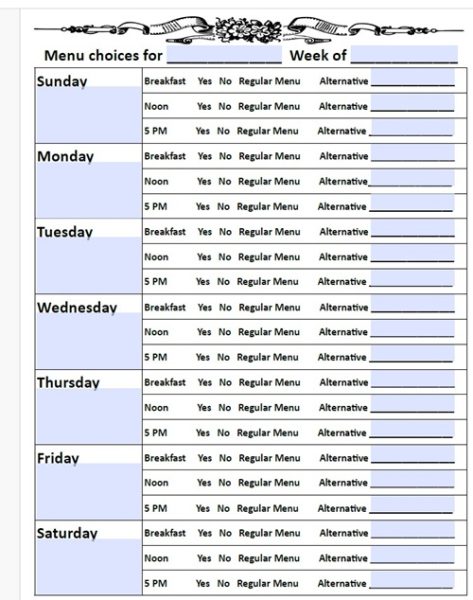
Weekly Menu Editable PDF

The next post has a weekly menu choice PDF free instant download in both print & go versions, and another one that is editable. Printed, the blue shapes will not appear on the printout. It may be written on or edited on a computer to print.

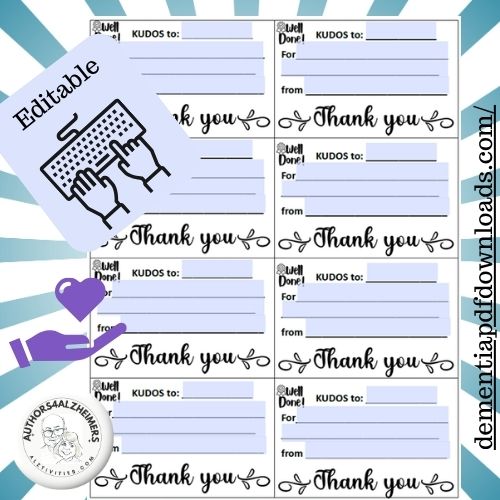
Small Kudos for Caregivers Editable PDF

We may forget to thank caregivers who really have quite difficult jobs, especially helping in the bathrooms. I feel so sad for the people and try to help whenever possible. I try to remember to say thank you. But a written note is so much nicer! These can be printed and written on (the blue rectangles do not show up in printing), or edited on the computer before printing.

print-Kudos-small-awards-for-Memory-Care-Workers-free-PDF

Room Labels

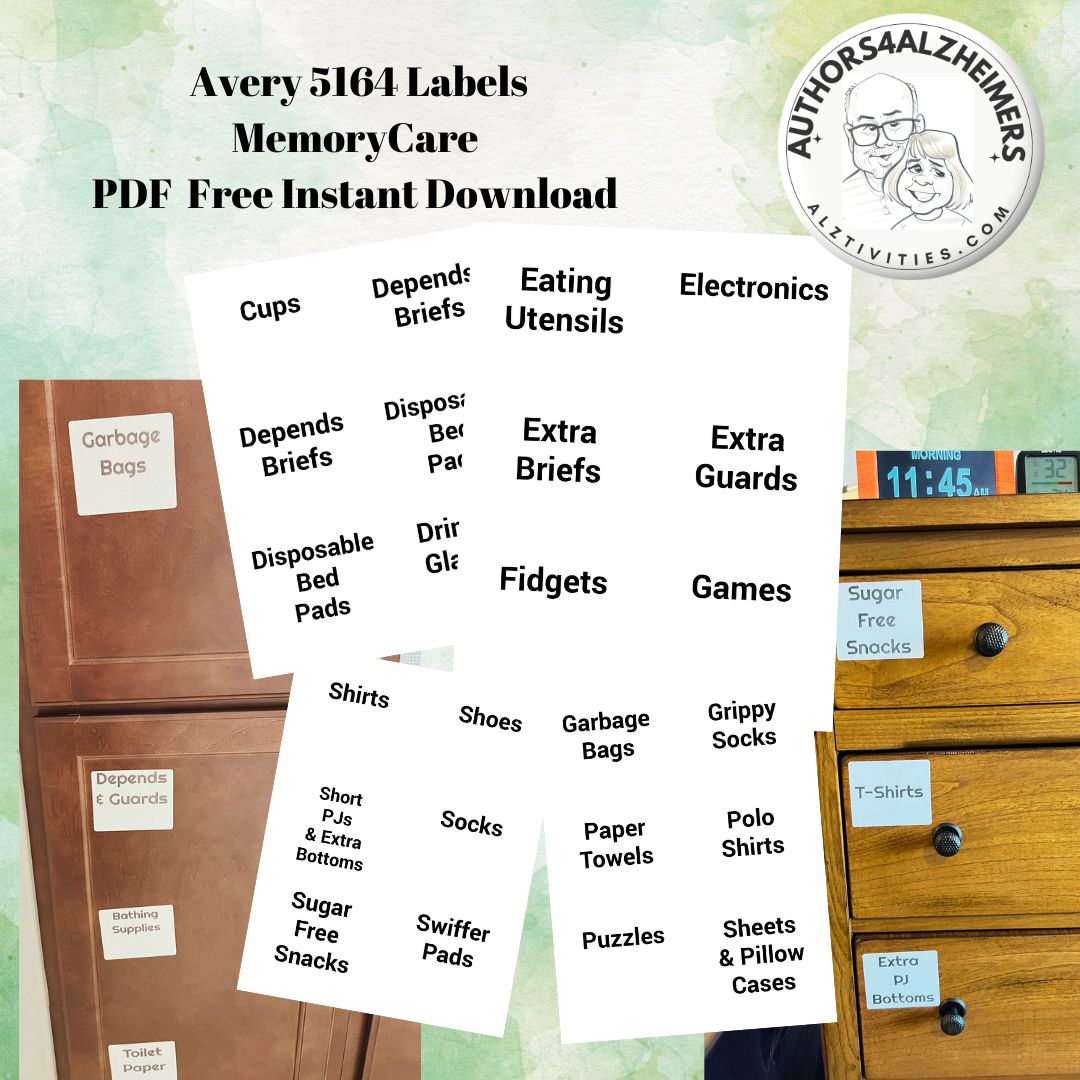
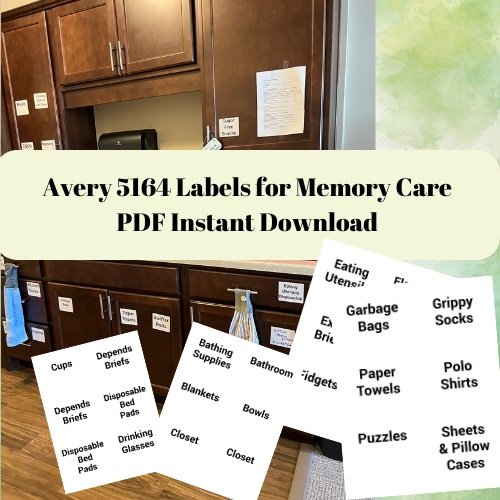
Memory Care Room Labels Printable and Editable PDF to print on Avery-5164 labels or just on paper to cut and display. Download a copy at the blog post.

https://dementiaplace.com/room-labels-for-memory-care-cupboards-and-furniture-free/

Editable Happy Birthday Word Search – Add Name and Age

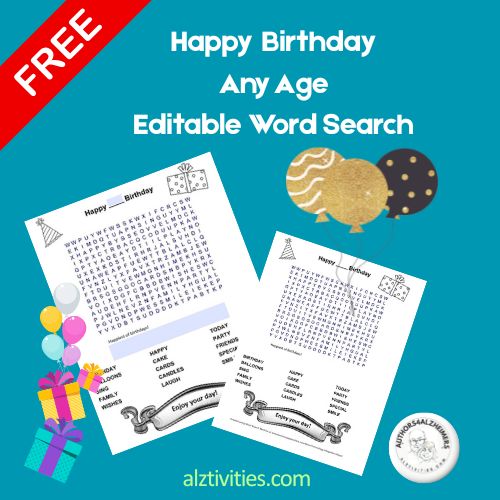
Happy Birthday word search, editable for name and age, instant PDF. Either print first and write on the page, or type in the birthday person’s age and name before printing. Download a copy from the blog post.

happy-birthday-editable-word-search-download for any age and any size

Posted on

No One Told Me About Dementia Song Parody

Dementia-song-parody-no-one-told-me- bout-dementia (1)

A haunting love song, “She’s Not There” seems to apply well to the topic of dementia. It is a difficult experience. The person is there, but not the mind. In the song, the person is gone. It looks like the person you love and is in many ways, but also totally different. The song was by the Zombies. Appropriately? But it is quite a coincidence the Zombies wrote a song that lends itself to dementia so well. Zombie. As my daughter says, Zombie grumbles.

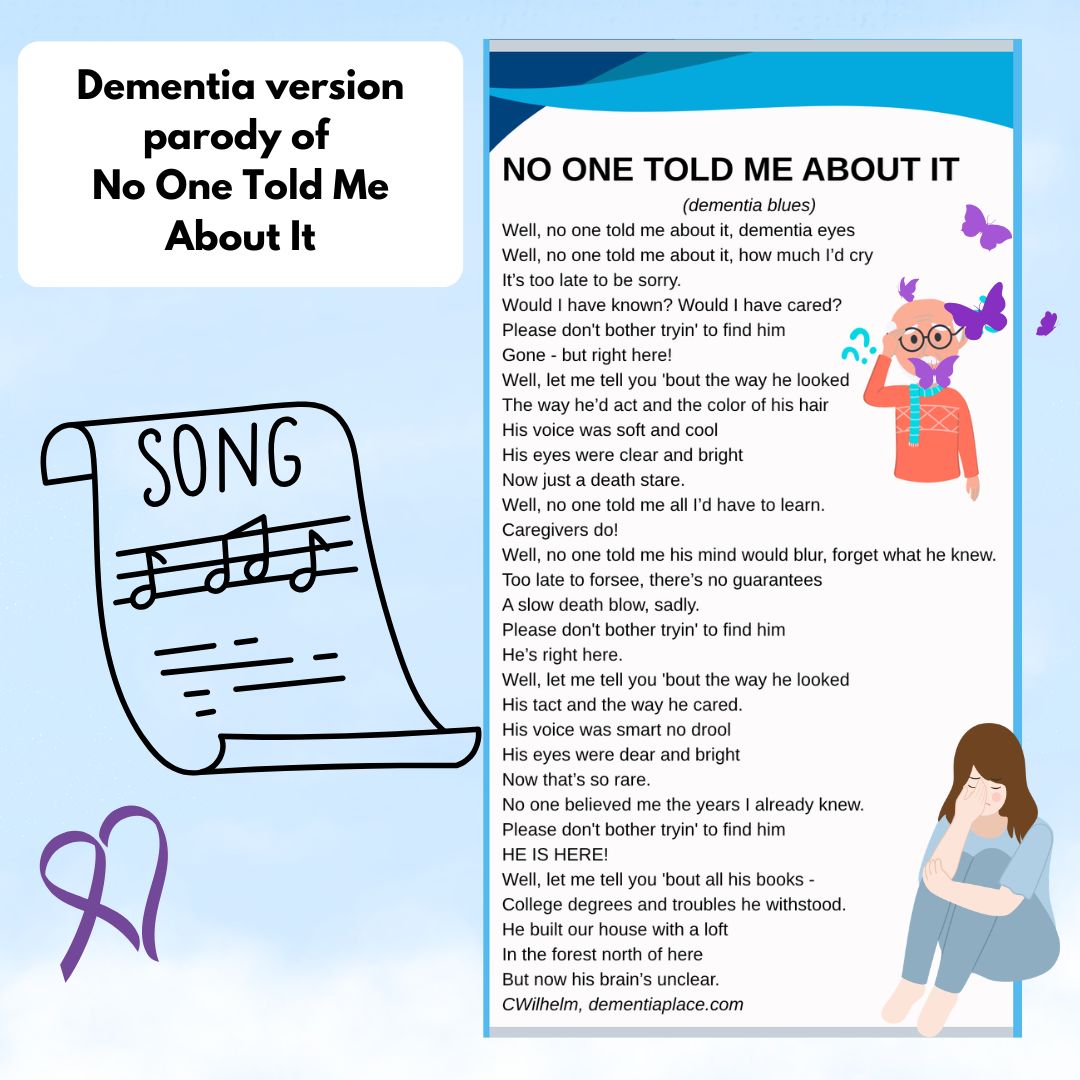
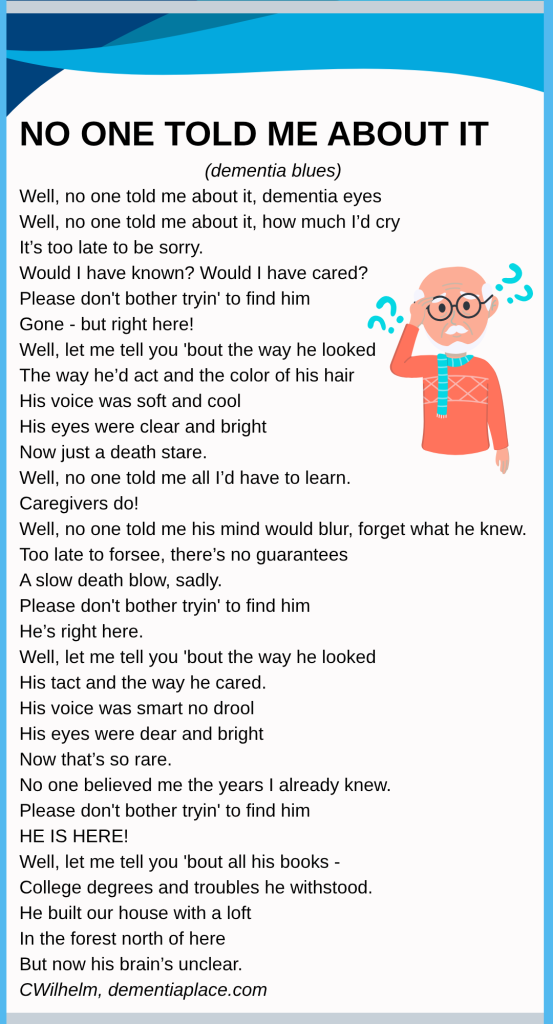
“No One Told Me About” It (Dementia) song parody

No One Told Me About Him (dementia blues) Well, no one told me about it, dementia eyes Well, no one told me about it, how much I’d cry It’s too late to be sorry. Would I have known Would I have ca

It is so sad to be with a person you have known and loved only to have them be completely unable to do things for themselves. It is no longer possible to share things with the person. They can no longer give advice. There is no mutual support. It is like having a baby only it is a full grown person and it is not like taking care of a child. It is taking care of a stubborn, sad, and frustrated old man. I have to help in the bathroom. He cannot get dressed himself. He no longer remembers much of anything we experienced together. The last thing I can ask is, “Do you remember?” Yes and no questions. Short phrases. Repeat, repeat. “The bathroom is that way! Not there, that is the closet!” Just a profoundly sad situation.

Thank you for reading, Carolyn

Posted on

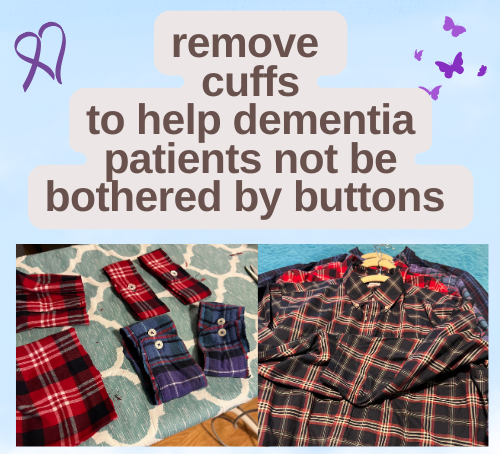
Help Dementia Patients Not Obsess Over Cuff Buttons

help-dementia-patients-stop-obsessing-over-cuff-buttons

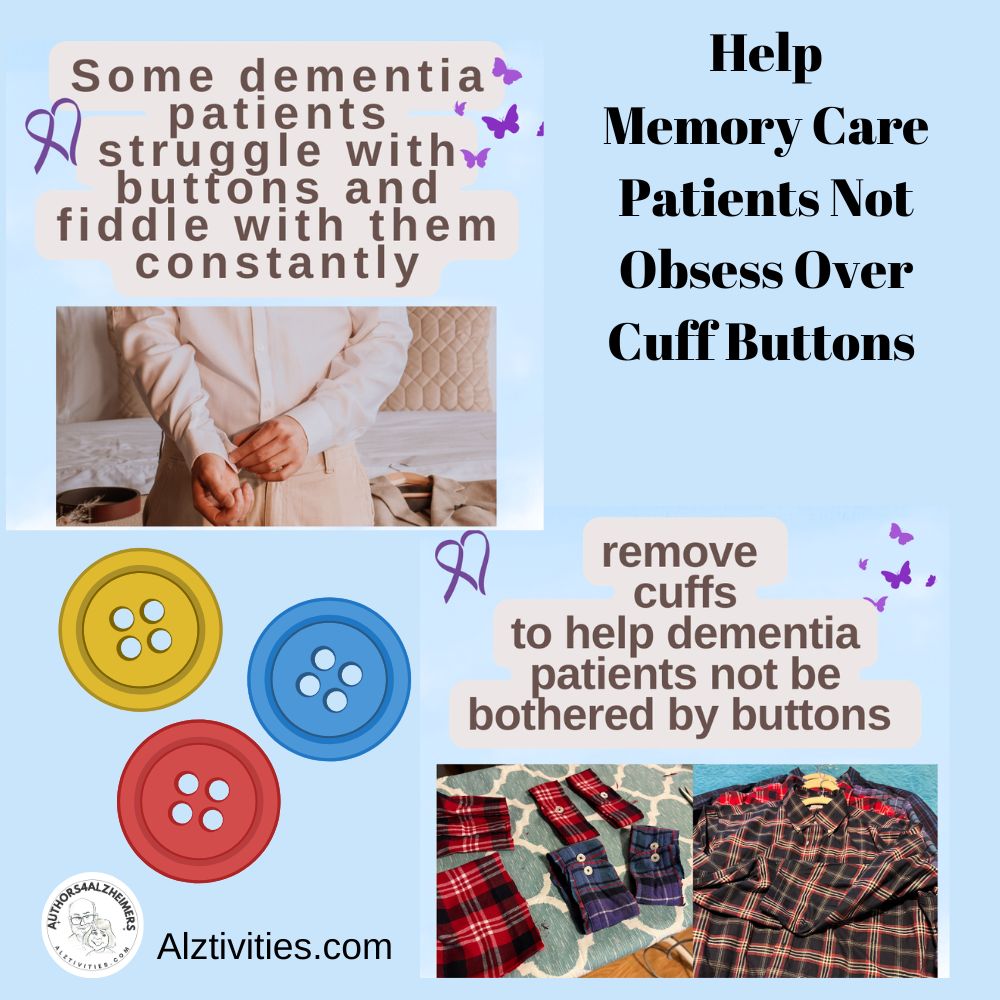
Clothing can be such an issue for people with dementia. Do you have a patient who fiddles with cuff buttons all day long? Yes? Here is one idea to help dementia patients avoid obsessing over cuff buttons: cut off the cuffs and hem the sleeves. Yes, it might not be the most professional look ever, but the comfort level increases. My LO was constantly fiddling with buttons and asking to have them buttoned and unbuttoned. They seem annoyed that they can no longer get buttons through buttonholes, but instead of refraining from trying and leaving them alone, they obsess. Yes, I have tried adaptive clothing, but found it had some new issues, like the back of the shirt flap can hang open. Caregivers do not seem to select adaptive clothing even if available, at least from what I have seen.

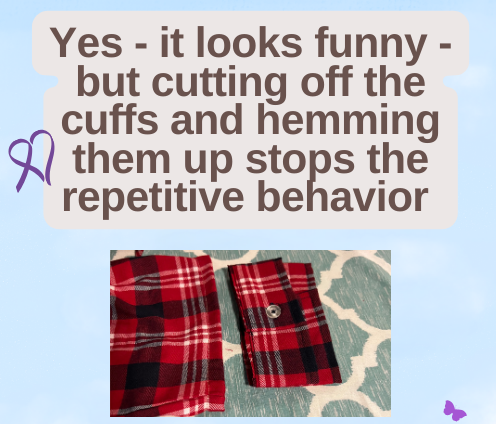
My LO was doing this until I decided to just cut the cuffs off and hem the sleeves. Yes, they are a little shorter, but they were too long in the first place. And he just couldn’t stop himself. I was buttoning all day, it seemed. So I wanted to remove the issues.

So I went to the ironing board and sewing machine and just cut the cuffs off, hemmed the shirt, and offered no explanation. He didn’t really seem to notice, and the behavior stopped. It used to be all the buttons on the shirt. I see the caregivers often leave his shirt open, and this must be why – he isn’t constantly asking for them to be buttoned.

Maybe such drastic measures are not needed for all patients, but this solved one of the many problems we have found along this journey. The days are long as I try to provide caregiving, as I am thinking of more than one person. I have to think for myself, my LO, and also the other CNAs. It can be exhausting. This took one thing off my plate.

I have watched some male dementia patients also obsessively try to button those spare buttons inside the bottom of shirts. So, I would just remove the spare buttons and spare the person from futile effort and concern.

Thanks for reading, and I hope this helps some people.

Carolyn

Posted on

The Dementia Experience Presentation by Theresa Klein OTR/L

Theresa-Kline-OTRL-dementia-experience-training-caregiver

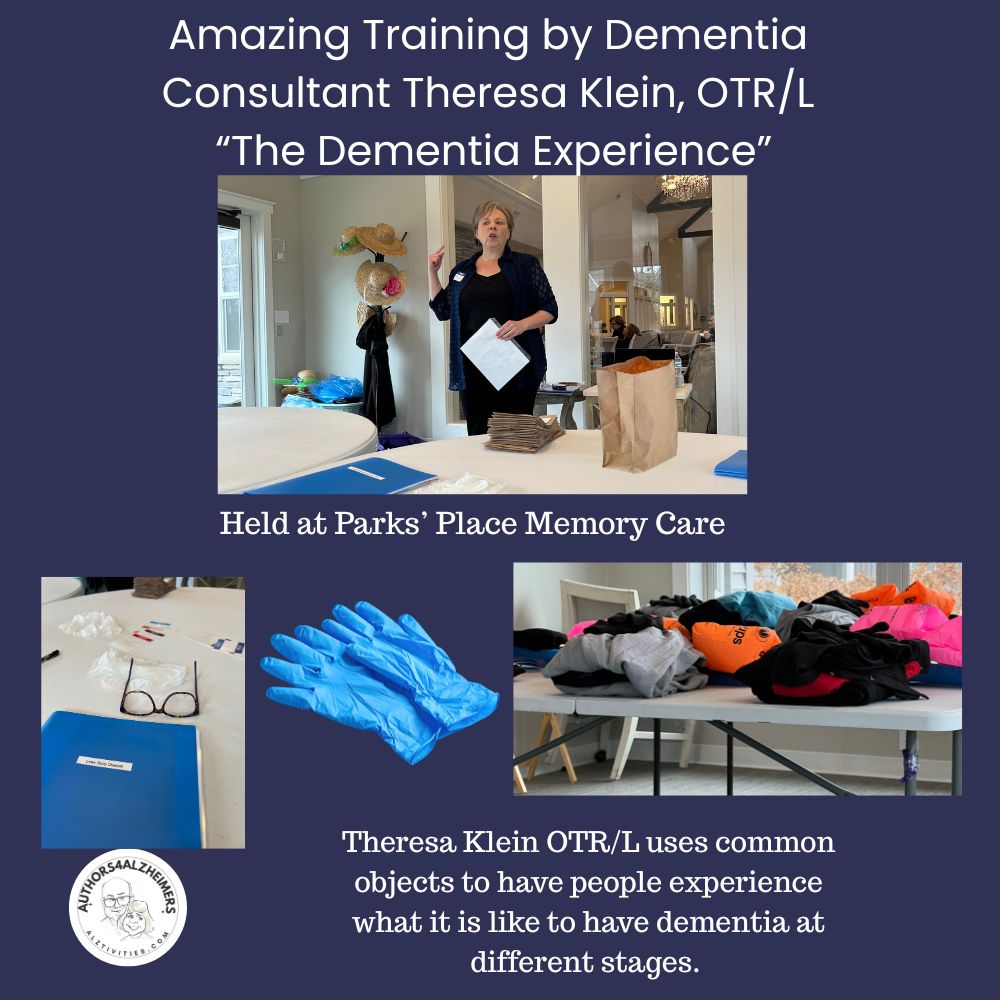
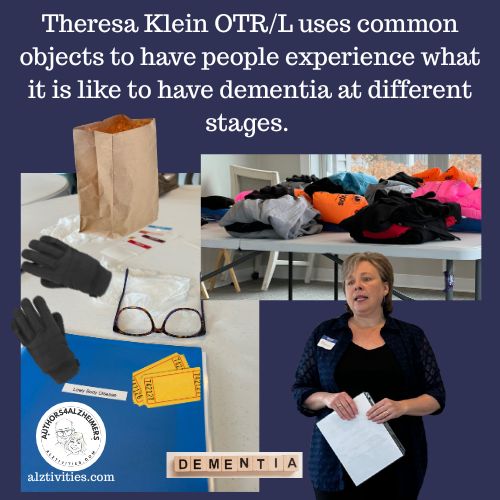
I attended a training by Dementia Consultant, Theresa Klein, OTR/L (11/20/25).  The training was called “The Dementia Experience.”  She put us in the shoes of our loved ones with dementia using everyday household objects we all have either at home or in our loved ones’ care facilities. It seemed simple as we navigated through the different levels of dementia using the materials she provided. Kitchen objects, clothing, and props helped her make her point. Theresa Klein has been working in dementia care, specializing in early, middle and late-stage Dementia Care, for the past 35 years.

What happens at the training? We became dementia patients!

Later, though, and thinking it over, the impact was huge. In fact, it was upsetting to realize later the implications of the different exercises. For instance, we wore gloves for most of the training. What a relief it was to take them off at the end . . . but people with dementia cannot remove their “gloves” or problems brought on by their condition. I cannot stop thinking about the presentation.

The different exercises made us feel how our loved ones feel as they live their lives. We can realize what it might be like, but not the permanence they live with daily. Dementia is horrible, we know. Theresa Klein really made it clear what the patients are going through. We could leave training, but they cannot change their condition.

She clearly discussed the levels and types of dementia. It progresses slowly, then can change quickly, always downward. She showed us their point of view and how to best help from their perspective. It was an interesting time, and she really made her points crystal clear. If you are able to participate in such a program, as I was lucky enough to do, I highly recommend signing up.

The following paragraphs are from Theresa Klein’s information.

The Dementia Experience:

As care partners, we can improve our care by understanding our residents and their needs. What if we could experience the changes our residents with dementia are experiencing? What does it feel like to be diagnosed with dementia? How would you handle losing your memory? Would you be frustrated with being unable to communicate with others? Would you be embarrassed if you needed assistance with your cares? How would you cope if you had trouble sitting, standing, and walking?

The Dementia Experience is an interactive learning session that allows us to enter our residents’ world to better understand their struggles.  The goal of the Dementia Experience is for care partners to walk in their residents’ shoes to gain knowledge, develop insight into residents’feelings and needs, increase empathy, and better guide care delivery. Participants will actively engage in a series of activities to experience early-, middle-, and late-stage dementia symptoms.

Thank you for reading, Carolyn

If you ever have the opportunity to participate in such a training, you won’t regret it!

Thank you for reading, Carolyn

Posted on

No Days Off from Dementia or Dementia Care

no-day-off-no-weekend-off-no-holiday-from=Dementia-care

There are never days off, weekends off, or holidays from dementia and Dementia Care. It is 24/7 and constant all year, every day, every minute. There is no time to relax, rest, or refresh. It is just continual and ongoing, like a clock. Dementia never stops. Caring for someone with dementia never stops. It is a constant worry even if a patient is in a facility or still at home. Everything that reminds me of my person with dementia is another thought of the person. Everything they can no longer do is another reminder.

Even Christmas cards are difficult. At first, I thought, oh, good, that there is some mail for the dementia patient. Wait, no, the friend who hasn’t visited in years just took a three-week trip to Europe. Why was he saying he was so ill himself? Other cards and stories about travel and fun are challenging to read to patients who are just being reminded, again, of life before Alzheimer’s, Lewy Body, Frontal Lobe, or whatever kind of memory loss they are experiencing. I skip over the “normal” parts of holiday letters, leaving not much else to share without feelings being hurt.

Nothing is normal anymore. Trips to help in the bathroom are constant for caregivers or assistants: more clothing changes and laundry. Buttoning shirts over and over has become normalized. Eating is the only thing he can still do. I spread lower-calorie food throughout the day for something to discuss and share. In our case, protein snacks due to diabetes.

Nothing to Look Forward To

There is nothing to look forward to when someone has dementia. Nothing will change, and things will only get worse. No time to relax. Not much can be shared from our regular lives without causing confusion and perhaps anger for the patient. “Can I go with you? Can I go home?” Many things are better left unsaid. No thoughtless comments can be made, or sadness may follow, both for me and my loved one.

Dementia is a constant cloud over the lives of the patient and family. Constant.

Do you feel the same way?

Carolyn

Posted on

A Simple Watch Enhances Cooperation

Simple-Watch-to-help-dementia-patient-cooperation-not-smart-watch

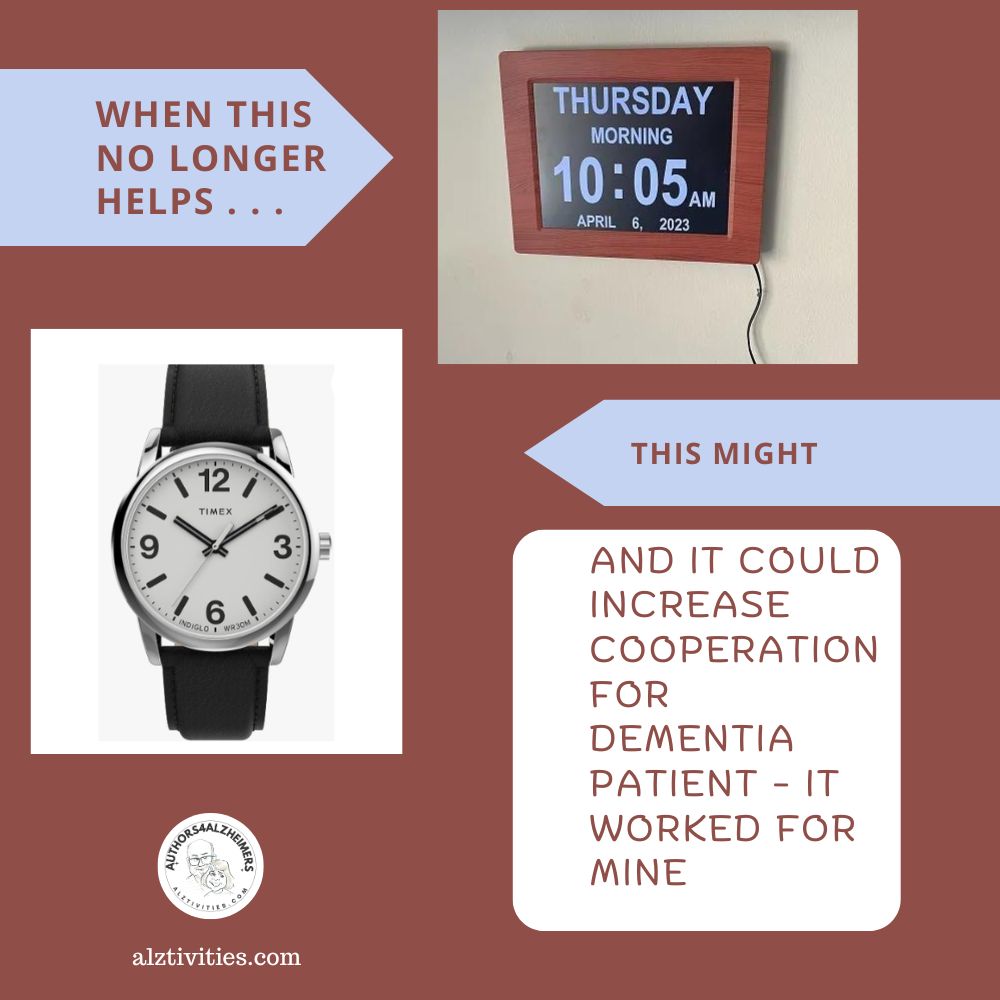
A simple watch has helped my LO be more cooperative. Not a smart watch or even one with the date. A plain, old-fashioned watch. I was quite surprised! My LO hasn’t known what day it was, or even the month, for a long time. This, despite his day clock, which clearly displays the day, time, and month. Sadly, that clock is not very useful anymore. Gone are the days of health workers asking him to tell the day and year, and of him smiling and reading the day clock. I have had trouble getting him to music events lately, even though he usually likes them. I point to it and mention the time, but I wasn’t getting through.

He recently asked where his wristwatch was. He hasn’t worn one for years with smartphones and so on available, yet he pointed to his wrist. Watch batteries depleted, and watches were forgotten. So I showed him watches on Amazon(*note not an affiliate). He selected a larger watch face with a simple face. Numbers were clear and easy to read. It was familiar to him. He learned to tell time with an analog clock, of course.

When it arrived, I put it on him, and I thought it was probably a waste of money. In fact, someone else came in the room and set it to the correct time. Oh, yeah, how about that?

Then today it was time for a music event. I assumed he would not attend. I did mention it would be at 1:30, but did not expect cooperation. Then, a few minutes before the start, he started walking toward the door. He asked me if I was coming. I think it helped him to know the time! A missing piece of information for him in recent months! It must have been really confusing not to know the time. Well, I realize that now that he has been more willing to participate.

Have you noticed how a watch or some other item from long ago helped you LO to be hopefully more cooperative?

UPDATE: This worked for a while, but more recently, he is unaware of the time of day or even the day.

Thank you for reading,

Carolyn

Simple-Watch-to-help-dementia-patient-cooperation-not-smart-watch

Posted on

Weekly Menu Choice PDF Instant Download PDF Free

PDF-free-instant-download-editable-for-weekly-menu-choices-page

This post includes a weekly menu choice PDF (free, instant download) in both print-and-go and editable versions. Print-and-go means print, fill out with a pen or pencil, and give to the kitchen or culinary team. Editable means it may be typed on using a computer.

First, here is the print-and-go PDF.

Free instant PDF download (click on the download button below this informational area to instantly download a copy)

Next is the editable PDF for those who might want this kind of PDF download. Please save several copies so that when one is edited there will still be a clean copy for later use. Click the link below for the PDF. (Click on the download button below this informational image for the PDF)

Our facility has a wonderful weekly menu and a variety of options. The printouts are more than a single page. I find the options amazing, but it is difficult to communicate meal preferences on those different pieces of paper. I made this to help myself, and I hope it helps others as well! The life of a spouse or family member involves selecting food, perhaps washing more delicate clothing items, buying Depends, and meeting all basic care needs. I like to simplify my life with forms like this one.

Thank you for reading, Carolyn
Posted on

Sadia Kruah Wonderful Bright Star CNA

PDF-free-instant-download-editable-for-weekly-menu-choices-page

We have met many wonderful people through our dementia journey. This is an interview with one such person who has helped us in a facility and our home, Sadia Kruah.

Sadia is a CNA. She is working on finishing nursing school. We have been introduced to a new list of acronyms as we learn. CNAs are Certified Nursing Assistants. Sadia works with all different illnesses, including dementia. Her childhood name is Jaye Pauletta, and is her Facebook page name, also.

Q and A with Sadia

Q: What kinds of situations have you worked with as a CNA?

A: Most of the patients I have been assigned to have Parkinson’s, Lewy Body, and Alzheimer’s dementia. Her calling is Hospice! We need people who can work with Hospice patients!

*Editor’s note: I have observed that Sadia is good with people who have dementia, so that is probably why she is being sent to help such people.

Sadia goes to their homes and helps with their confusion, redirection, and making sure they are safe. I see what care I can give as I observe their situation. I can see that she carefully observes people to gather ideas to solve problems that seem to come up in bunches. She cleverly redirects people to help with their ADLs (Activities of Daily Living). ADLs include taking showers, getting dressed, brushing teeth, feeding, and so on.

She is always in a helping role in her work and private life. When not working as a CNA, Sadia is in a social group that also helps people. Her group volunteers, gives back to the community for back-to-school projects, as well as enjoys each other as they work together. They send food to an orphanage in Liberia. They promote breast cancer awareness right here in Minnesota.

She is a role model to her son and community members, demonstrating acts of caring.

Q: What would you advise someone who would like to become a nursing student?

A: Be sure to get your prerequisites so you can do further study.  Caring for others should be something you want to do that feels natural.

Sadia has always wanted to help people. She took care of her great-grandmother before leaving Liberia. She liked providing water and other caregiving. Since coming to the USA, she continued to help people. That is all she has ever done in the USA. Since her son left for college, she decided to go back and pursue her nursing degree. Next year is her big year when she will graduate! What a wonderful feeling that will be.

I met Sadia because she is a CNA for Bright Star. Bright Star selected her to provide care for my husband and myself for different illnesses. Bright Star has a knack for hiring the best people. Everyone I have met through that organization has been GREAT.

Thank you for reading,

Carolyn
Sadia Kruah certified-CNA-with-Bright Star Care


Posted on

Room Labels for Memory Care Cupboards and Furniture Free

Avery-5164-free-memory-care-download-PDF

Labeling drawers and cupboards in memory care can be challenging as supplies dwindle and are constantly refreshed. I finally made some printed labels when I was told people didn’t know where to put things. I had labels on everything, but they were hand-printed. It seems that using a computer printer looks more official. I have to reprint sometimes when resident assistants and nurses receive our orders in boxes and help by putting items away because they put things where they fit. Hence, removable labels are the best for use in memory care. Download a copy by clicking the button below this informational image.

We didn’t have many cupboards before, but at Amria Choice, we have enough, and two closets. Before we moved, we just had furniture and a few cupboards. Really, a marker doesn’t draw attention like bold printed labels do. Click on the next link for your free instant PDF download.

Avery-5164-free-PDF-memory-care-download


Good luck organizing your LO’s supplies, clothing, and kitchen area. We do not have a microwave or coffee maker, of course, but we can wash dishes if we supply our own snacks.

https://dementiaplace.com/room-labels-for-memory-care-cupboards-and-furniture-free/

Let me know if you need other labels!

Carolyn

Posted on

Name That Tune Printable PDF Awards Free

printable-PDF-awards-name-that-tune-free-downloads-instead-of-prizes

Sometimes in memory care, a music leader will have a short game of “Name that Tune.” People love to be the first to recognize a song or melody. In addition to small prizes, printable paper awards might be used. These printable PDF awards are available in both color and black-and-white. First, decide whether black-and-white printing is best or if color is preferred.

Second, they either may be edited to add the name of the person receiving the award, written on, or printed and handed out. Besides, these are less expensive than less rewarding prizes. Patients could tape these on their doors with painters’ tape to “show off” their knowledge.

Black and White Printing

Name-that-Tune-printable-awards-black-and-white-printing-free and color PDFs - edit or just print and write on them


The PDF is printable for quick use and no personalization, only requires printing. Print, cut in half, and be ready to pass to people who recognize songs the fastest. Print pages 1 and 2 (which are the same), and watch for the last page so the credits are not printed. No prior writing is required on these certificates, and the winners’ names can be written on them on the spot.

Click on the button under this informational image to instantly download a copy of the PDF:

Next is the editable version of the black-and-white printing option. Add names to the 4 certificates, print, cut in half, and be ready to hand them to the people who recognized the songs the fastest. Likewise, pages 1 and 2 have four certificates, so four names may be added before printing. Watch for the last page so the credits are not printed.

name-that-tune-free-awards-color-printingPDF

Color Printing

Furthermore, the color-printing version is without editing rectangles for quick awards before a music session. Just print as many copies of the first 2 pages as needed, cut the paper in half, and be ready to pass awards to those who quickly recognize songs. Do not print the credits on page three. Download using the button under this informational image.

Print the next link for a free instant download:

color-printing-name-that-tune-free-printable-no-editing-award

Finally, this is color printing with the option of editing by typing in names. There are two pages, so four names may be entered. Then print, cut the pages in half, and present the awards. Just print the pages wanted, excluding page 3 with the artist credits. Click on the download button under the informational image.

Thank you for reading! I hope some activity leaders like these PDFs.

Carolyn
Posted on

Dementia and Hoarding Experience with Steri-Clean MN

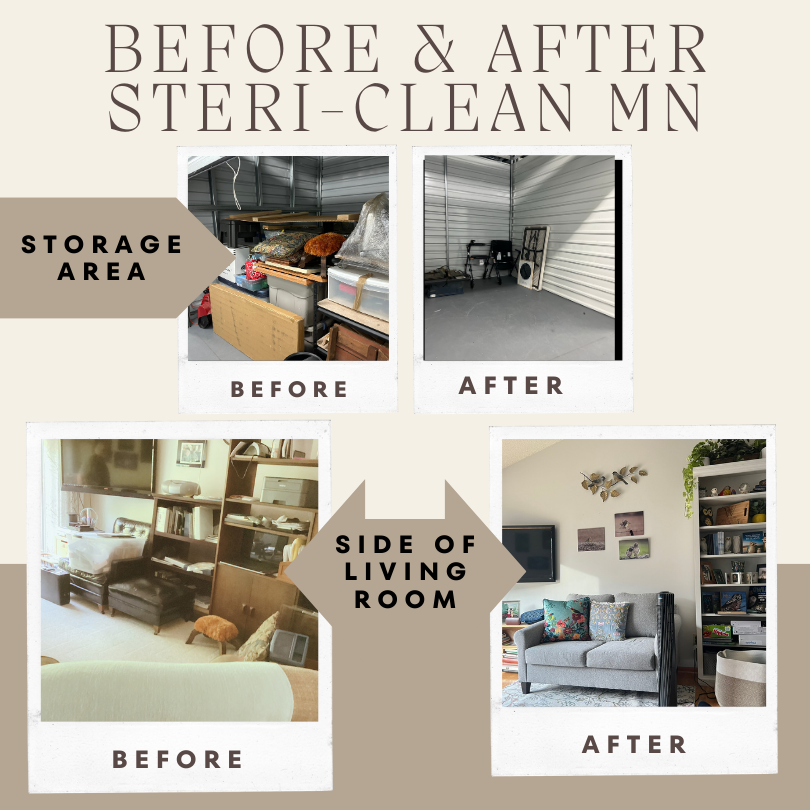
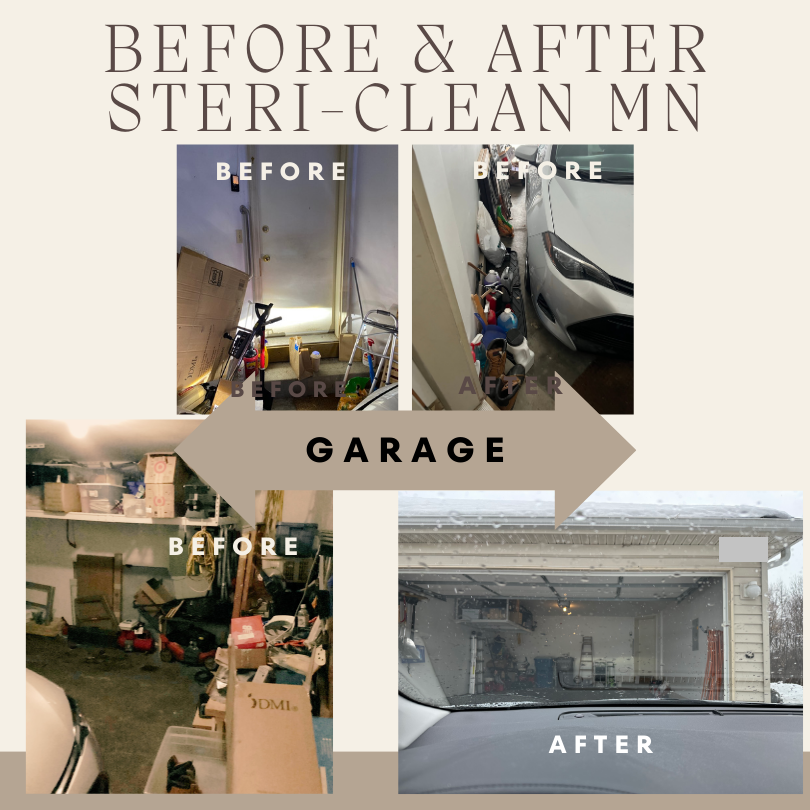
Garage-before-and-after-Steri-Clean-Rogers-MN

It seems dementia and hoarding go hand in hand in many cases. Hoarding, hiding, and rummaging behaviors are covered in information from the Alzheimer’s Association. This helps some people with dementia feel secure, and removing old, useless clutter causes them emotional upset. So “de-hoarding” cannot be accomplished easily while the person is living at home. My attempts to organize with file folders, file cabinets, bins with large labels, 3-ring binders, and on and on never worked with my LO. It just kept me busy and upset. Nothing worked.

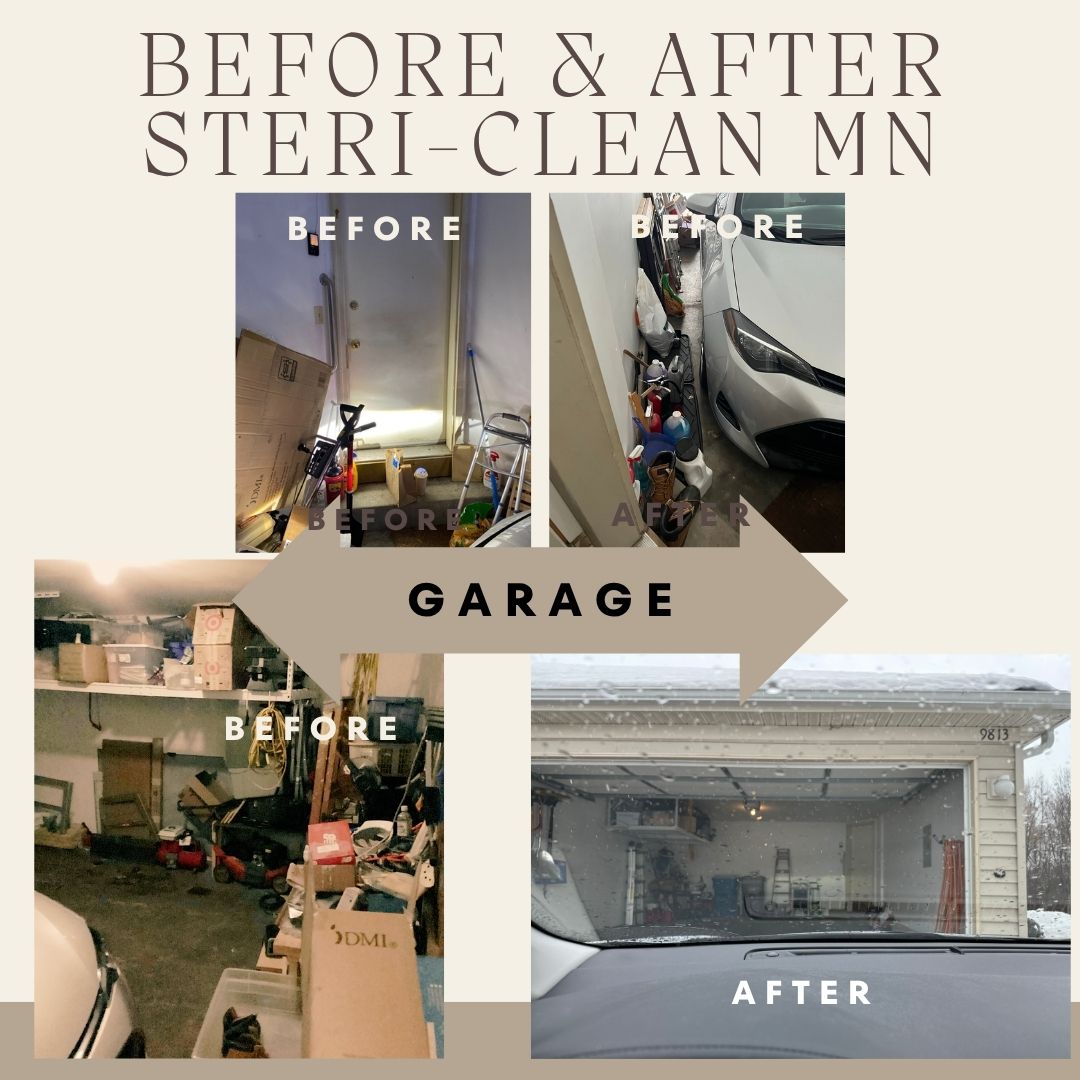
Before and After Steri-Clean Rogers, Minnesota

Before and after de-hoarding by Steri Clean MN (1

So, when LO was moved to memory care after being violent at home, and the situation was beyond my control, I began the de-hoarding process of 53 years of stuff. After a year, I am not done. It is exhausting, especially when I try to visit LO several hours per day. Too much, too long, and very upsetting, although I hired many companies and individuals. Steri-Clean was first, and they spent 3 days here, although we had none of the extra-special type of clean-up (blood, murder, toxic waste) they specialize in. The social worker at one hospital recommended them. One of the workers said it was like a vacation to get rid of our stuff, as they didn’t have to wear special clothing. They are a great company and have appeared in television episodes of The Hoarders, showcasing their heavy-lifting, miracle-working efforts as they transformed unlivable houses into functional homes. Our home was only unlivable to us and would not have made for a TV show.

Garage-before-and-after-Steri-Clean-MN
Before and after de-hoarding by Steri Clean MN (1

However, there was still much to do. LO had prevented me from decluttering, organizing, or cleaning. What did he have against cleaning? I do not know, but he would take the vacuum or mop out of my hand. We were living in a townhouse, with everything from a 4-bedroom family home and an up north cabin stuffed in here as well. How long had the dementia been going on? I’ll never know, as LO refused to talk to a doctor until only 2 years ago. But if this is evidence, it had gone on for many years.

Posted on

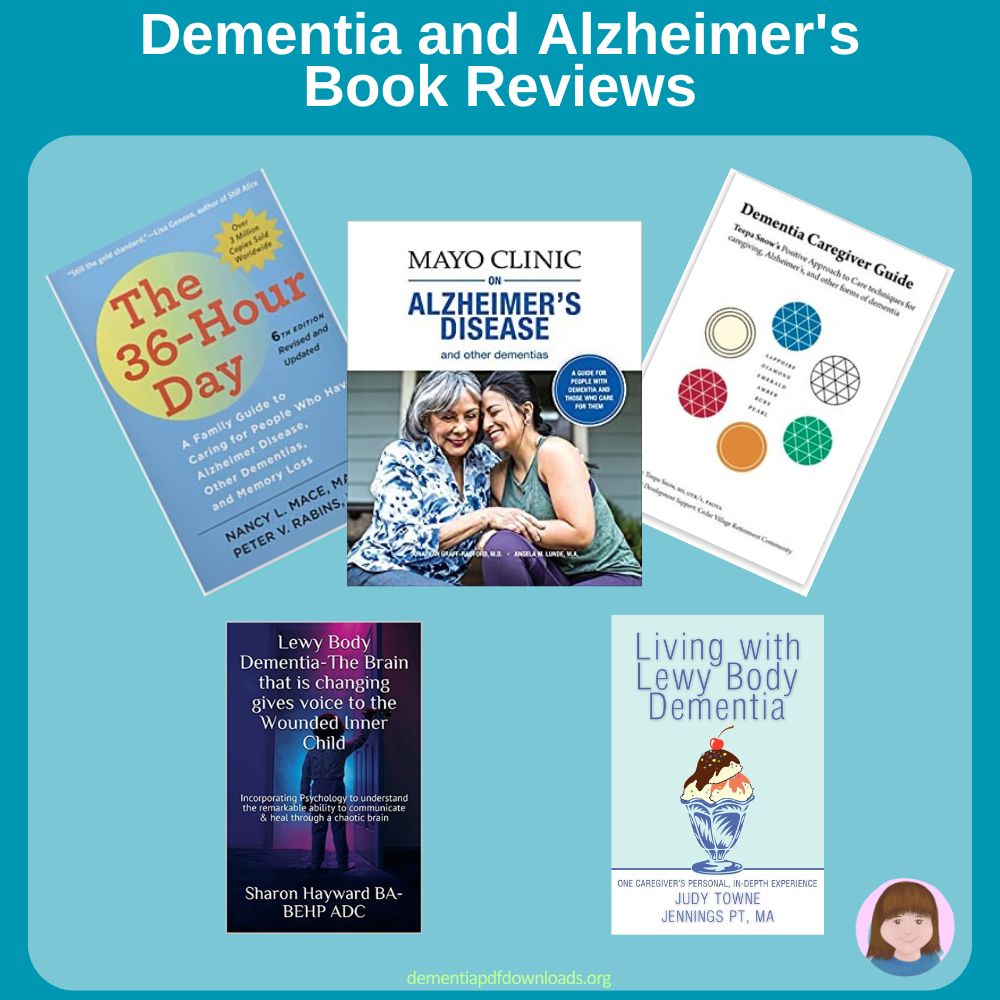
Dementia and Alzheimer’s Book Reviews

Dementia-Caregiver-book-reviews

Book Reviews

This page has reviews of books about various forms of dementia I have read myself.  Here are my thoughts about how they may be helpful to others. My LO has mixed dementia types so I read a wide variety of books on the topic. No, I am not an Amazon affiliate. I also write reviews for Midwest Book Review (MWB) as a volunteer.

Lewy Body Dementia

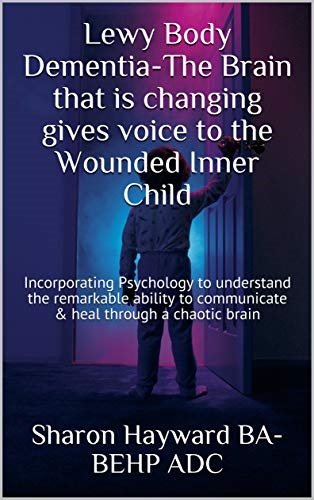
Lewy Body Dementia-The Brain that is Changing Gives Voice to the Wounded Inner Child: Incorporating Psychology to understand the remarkable ability to communicate & heal through a chaotic brain

Dementia-Brain-changing-gives-Wounded-Child-Book-Review

This book is exactly as described, as it is one person’s view of her experience with a loved one with Lewy Body Dementia. Much of the information is aimed at understanding the patient. Understanding what a PWD (person/people with dementia) is trying to convey. The author was very emotionally attached to the LO. This book may help inform the search for clues about the patient to piece together the puzzle of what he or she is trying to say.

Alzheimer’s Book

The 36-Hour Day: A Family Guide to Caring for People Who Have Alzheimer’s Disease and Other Dementias (A Johns Hopkins Press Health Book)

by Nancy L. Mace and Peter V. Rabins

See my review of this book on Midwest Book Review.

This book is widely regarded as an authoritative source of information. It has been revised over the past 40 years as the publishers keep up to date with the latest knowledge. The Alzheimer Society rates this book as the most highly recommended. That means if you can read one book, read this one. It discusses the various forms of dementia. Dementia is the umbrella term for the 120 various types of dementia, including Alzheimer’s, Lewy Body Dementia, and others.

Why the 36-hour day? You know, after spending time caregiving for a PWD. The time drags when you are trying to figure out what the person has difficulty communicating their wants and needs. Although technical, the book contains stories about real people.

Brain Book

Travelers-to-unimaginable-lands

Travelers to Unimaginable Lands: Stories of Dementia, the Caregiver, and the Human Brain

This interesting book takes ten traits of dementia and has ten chapters describing how ten caregivers developed similar traits while caregiving for a PWD. I didn’t realize how much caregiving stresses a person, even to the point of developing dementia behaviors. I can see I have, and it is troubling. Do try to take care of yourself, caregivers; you have a tough row to hoe. This should also be read after a few months or more of caregiving to relate to the experiences of the people in the book. When I saw myself in the text, I realized the self-care areas I need to practice.

Mayo Clinic Book

Mayo-clinic-book-Alzheimer-dementia-review

Mayo Clinic on Alzheimer’s Disease and Other Dementias: A Guide for People with Dementia and Those Who Care for Them

By Jonathan Graff-Radford and Angela M. Lunde

See my review of this book on the Midwest Book Review site.

Of course, any book by the Mayo Clinic publishers is knowledgeable and 100% correct. The writing is technical, and I think professionals would get more out of it than I did. However, it was good to read about the various types of problems people face with memory loss. My LO was diagnosed at the Mayo Clinic, and I trust them completely. So I read the portions that made sense to me. I bought this book for family members. To me, it is more of a reference guide than something to sit down and read with a cup of coffee.

Teepa Snow

Dementia-caregiver-guide-Teepa-Snow-bk-review

Dementia Caregiver Guide

By Teepa Snow (dementia guru extraordinaire)

At just about 100 pages, this easy-to-read book helps people understand the changes that come with advancing dementia. It also helps in understanding impairments in thinking, reasoning, or information processing. It accompanies Teepa Snow’s person-centered care interventions, including the GEMS and Positive Approach to Care techniques. See Teepa Snow on YouTube for dozens of videos on the various questions people ask about this topic. You will want to read more books by this author.


I have also read the following books:
Mom & Me : A Story of Dementia and the Power of God’s Love 
by  Deborah Lyn Stanley 

Please Explain Alzheimer's Disease to Me: A Children's Story and Parent Handbook About Dementia ("Please Explain to Me") 

by  Laurie Zelinger

Lewy Body Dementia-The Brain that is changing gives voice to the Wounded Inner Child: Incorporating Psychology to understand the remarkable ability to communicate & heal through a chaotic brain 
by  Sharon Hayward

Living with Lewy Body Dementia: One Caregiver’s Personal, In-Depth Experience 
by  Judy Towne 

Forget Me Not: The #1 Alzheimer's and Dementia Guide for Professional and Family Caregivers 
by  Debra Kostiw

Dementia with Lewy Bodies and Parkinson's Disease Dementia: Patient, Family, and Clinician Working Together for Better Outcomes 
by  Dr. Ahlskog, J. Eric MD, PhD  (Author)

I have read even more books on dementia. But nothing really prepares a person for the experience they are about to have when a loved one is diagnosed. It is just a cruel disease.

Thank you for reading, Carolyn